มันทำด้วย Bio-base PLA ซึ่งย่อยสลายได้อย่างเต็มที่ คุณสมบัติ: 1. ผลิตภัณฑ์ปุ๋ยหมักอุตสาหกรรม 2. ...
อ่านเพิ่มเติม
Yes — polyester fiber is a good fabric for most everyday applications. It excels in durability, moisture-wicking, wrinkle resistance, and cost-efficiency, making it one of the world's most widely used synthetic textiles. However, it has real limitations in breathability and environmental impact that are worth understanding before choosing it.
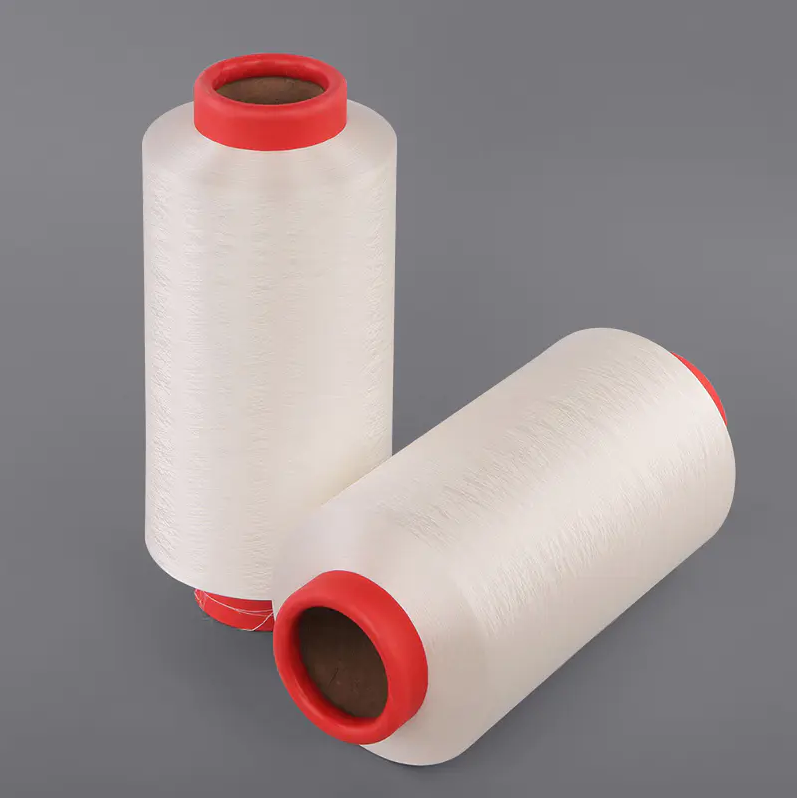
Polyester fiber is a synthetic material made from polyethylene terephthalate (PET), a polymer derived primarily from petroleum. First introduced commercially in the 1950s by ICI under the brand name Terylene, it has since become the single most produced synthetic fiber globally. As of 2023, polyester accounts for roughly 54% of all fiber production worldwide — more than cotton, wool, and nylon combined.
It exists in several forms: staple fiber (short lengths mimicking natural fibers), filament yarn (long continuous strands), and microfiber (ultra-fine strands under 1 denier). Each form serves distinct end-uses, from fleece jackets to high-performance athletic wear to sheer curtain panels.
Polyester fibers have a tensile strength of approximately 4–7 grams per denier — significantly stronger than cotton (3–5 g/d) and wool (1–2 g/d). Garments retain their shape through hundreds of wash cycles without notable degradation. Industrial polyester webbing, used in seatbelts and cargo straps, can withstand loads exceeding 3,000 lbs.
Unlike cotton, which absorbs moisture into its core, polyester is hydrophobic — it repels water and pushes sweat to the fabric surface where it evaporates quickly. This wicking performance makes it the go-to material in athletic and outdoor apparel. Brands like Nike and Under Armour build their moisture-management lines almost entirely on polyester-based fabrics.
Polyester's crystalline molecular structure means it springs back into shape after compression. It does not shrink when washed in warm water, and it resists the creasing that plagues linen or rayon. For travel clothing or uniforms that must look presentable without ironing, this is a decisive advantage.
Polyester holds dye exceptionally well through a process called disperse dyeing at high temperatures. UV exposure and repeated washing cause minimal fading — studies show polyester fabrics retain up to 90% of original color saturation after 50 wash cycles, compared to 70–75% for cotton.
Raw polyester fiber costs approximately $0.90–$1.20 per kg at industrial scale, compared to $1.80–$2.50 per kg for conventional cotton. This cost gap drives its dominant role in fast fashion, home textiles, and technical fabrics.
Polyester blends seamlessly with cotton, wool, spandex, and rayon. A 65/35 polyester-cotton blend (polycotton) is the global standard for workwear and bed linens — combining the natural softness of cotton with the dimensional stability and durability of polyester.
| Property | Polyester | Cotton | Wool | Nylon |
|---|---|---|---|---|
| Durability | Very High | Moderate | Moderate | Very High |
| Breathability | Low | High | High | Moderate |
| Moisture Wicking | Excellent | Poor | Good | Good |
| Wrinkle Resistance | Excellent | Poor | Good | Good |
| Shrink Resistance | Excellent | Low | Low | Excellent |
| Cost | Low | Moderate | High | Moderate |
| Eco Impact | High (non-bio) | Moderate | Lower | High |
Standard polyester fabric has low air permeability — roughly 15–30 mm/s compared to 80–120 mm/s for plain cotton. In hot and humid climates, or during heavy exertion, this can make garments feel clammy and uncomfortable. Advanced open-weave or mesh constructions partially address this, but cannot fully match natural fibers in passive ventilation.
Because polyester is hydrophobic, sebum and body oils — which carry odor-causing bacteria — do not rinse out as easily as from cotton. A 2014 study published in Applied and Environmental Microbiology found that polyester shirts harbored significantly more malodor-causing bacteria than cotton shirts after exercise. Anti-microbial treatments mitigate this but add cost.
Polyester's low electrical conductivity allows static electricity to accumulate easily, particularly in dry environments. This causes garments to cling, attract lint, and occasionally produce small electric shocks. Fabric softeners and anti-static sprays reduce the issue but do not eliminate it.
Each wash of a synthetic polyester garment releases an estimated 700,000 microplastic fibers into wastewater, many of which pass through treatment plants and enter aquatic ecosystems. Polyester is also non-biodegradable, with a decomposition timeline measured in centuries. Recycled polyester (rPET, made from plastic bottles) reduces virgin resource use but does not solve the microplastic shedding problem.
Polyester begins to soften around 230 degrees Celsius and can melt or deform at higher temperatures. It should not be ironed on high heat settings, and it poses a greater flammability risk than wool when exposed to open flame, though many commercial polyester fabrics are treated with flame retardants.
Selecting the right fabric is always context-dependent. Here is a practical guide to where polyester fiber consistently delivers the best value:
Conversely, polyester is a poor choice for formal shirts worn in warm offices, underwear and sleepwear for sensitive skin, or any application where natural hand-feel and breathability are primary requirements.
Recycled polyester, commonly labeled rPET, is produced by melting down post-consumer plastic bottles or even reclaimed polyester fabric into new fiber. Producing rPET generates approximately 35% less CO2 than virgin polyester and uses significantly less energy and water. Major brands including Patagonia, Adidas (with its Stan Smith line), and The North Face have committed to transitioning large portions of their polyester use to recycled sources.
However, rPET still sheds microplastics at similar rates to virgin polyester during washing. Consumers can reduce microplastic release by using a washing bag such as the Guppyfriend, washing at lower temperatures, and choosing tighter-weave fabrics when possible.
Polyester fiber is a genuinely good fabric — not universally, but for a broad and important range of uses. Its mechanical properties, ease of care, and cost efficiency have made it irreplaceable in global textile manufacturing. The key is matching its strengths to the right application: reach for it in performance, durability, and budget contexts; step away from it when breathability, natural feel, or environmental footprint are the deciding factors. Used thoughtfully, polyester is one of the most capable fabrics available today.

มันทำด้วย Bio-base PLA ซึ่งย่อยสลายได้อย่างเต็มที่ คุณสมบัติ: 1. ผลิตภัณฑ์ปุ๋ยหมักอุตสาหกรรม 2. ...
อ่านเพิ่มเติม
มันทำด้วยโพลีเอสเตอร์เราสามารถผลิตเส้นด้ายที่ดีที่สุด 7D และ 10D DTY สามารถใช้งานได้ในโรงงานของเรา คุณสมบัติ: ...
อ่านเพิ่มเติม
มันทำด้วยโพลีเอสเตอร์เราสามารถผลิตเส้นใยขนาดเล็กพิเศษ DPF สามารถน้อยลง 0.5 คุณสมบัติ: 1. เส้นใยขนาดเล็ก...
อ่านเพิ่มเติมเมื่อคุณเลือกเส้นด้ายสำหรับผลิตภัณฑ์ที่ต้องเผชิญน้ำเค็ม การเสียดสีอย่างหนัก หรือมีความชื้นหลายเดือน โพลีเอสเตอร์และไนลอนมักจะมาเป็นอันดับแรกในการอภิปราย เ...
อ่านเพิ่มเติมIf you are comparing fabrics for sportswear or sustainable everyday clothing, you have probably asked yourself: is recycled polyester breathable? The shor...
อ่านเพิ่มเติมใช่ โพลีเอสเตอร์สามารถรีไซเคิลได้ แต่ต้องเป็นโพลีเอสเตอร์ 100% เท่านั้น ผ้าผสม สีย้อม และสารเติมแต่งที่ใช้งานได้จริงทำให้การรีไซเคิลหลังผู้บริโภค...
อ่านเพิ่มเติมกรุณากรอกแบบฟอร์มด้านล่างและทีมงานของเราจะติดต่อคุณโดยเร็วที่สุด
Addres: No.66 Qiaogang Road, Haian, Nantong City, Jiangsu Province, China
E-mail: admin@gcfiber.com
Copyright © เส้นใย GC All Rights Reserved.
